What Men Over 50 Aren't Being Told About Nighttime Urination — And the 3-Ingredient Stack That's Changing Things
Most prostate supplements are underdosed versions of ingredients with real clinical backing. Here's what the research actually supports — and what ProstaFlow gets right that the others don't.

Prostate enlargement affects roughly 50% of men by age 60 — but most are managing it with underdosed supplements or waiting for a prescription.
You wake up at 1am. You make it back to sleep. Then 3am. Maybe 5am. By the time your alarm goes off, you've had what technically counts as a full night but feels like four interrupted naps. You're not rested. You're just less tired than yesterday.
For millions of men over 50, this is the new normal — and most of them have been told the same thing: your prostate is enlarged, it's benign, you can wait and watch, or here's a prescription that may or may not affect your sexual function.
What most men don't hear is that there are three botanical compounds with legitimate peer-reviewed data behind them. And that the reason most prostate supplements don't work has nothing to do with the ingredients listed on the label — it has to do with the doses hiding behind them.
Sound Familiar?
Benign prostatic hyperplasia — BPH — affects roughly one in two men by age 60. The symptoms arrive gradually, which is part of why so many men adapt to them rather than addressing them.
- Getting up 2 or 3 times per night — every night, without fail
- A stream that's weaker than it used to be, requiring more time in the bathroom
- The feeling that your bladder never quite fully empties
- Sudden urgency that doesn't leave much margin for error
- Sleep deprivation that compounds over months — fatigue, irritability, cognitive fog
- A doctor who says "it's normal for your age" and moves on
None of this is immediately dangerous. But the cumulative effect of interrupted sleep — night after night, year after year — is not trivial. Chronic sleep disruption is linked to metabolic dysfunction, elevated cortisol, cardiovascular strain, and accelerated cognitive aging. What starts as a bathroom problem becomes a whole-body problem.
What's Actually Happening — and Why Most Supplements Miss It
The prostate grows in response to DHT — dihydrotestosterone, a metabolite of testosterone converted by an enzyme called 5-alpha reductase. As men age and testosterone converts to DHT at higher rates, prostate cells proliferate. The gland expands. It presses on the urethra. The symptoms begin.
Prescription options like Finasteride and Flomax work by blocking 5-alpha reductase or relaxing smooth muscle in the prostate and bladder neck. They're effective. They also carry well-documented side effects including sexual dysfunction, with Flomax specifically associated with retrograde ejaculation in a significant percentage of users.
The botanical option works on the same enzyme — just more gently. Beta-sitosterol, a plant-derived phytosterol, inhibits 5-alpha reductase through the same pathway as pharmaceutical options. A double-blind, placebo-controlled trial published in BJU International — one of the world's most respected urology journals — showed significant improvement in urine flow and symptom scores. The problem: most commercial products contain 50-100mg. The BJU trial used 600mg.
Saw palmetto at 320mg/day is the other frequently cited intervention. A Cochrane Collaboration review — the gold standard for evidence synthesis — found meaningful improvement in nocturia (nighttime urination) and flow rates at 320mg using the 90% liposterolic extract. Most products on pharmacy shelves use berry powder at 80-160mg. That's not a different product. It's a non-therapeutic dose of the same product.
Pygeum africanum, an extract from African plum bark, is the ingredient most prostate formulas omit entirely. A meta-analysis covering 18 randomized controlled trials found that pygeum reduced nighttime urination frequency in 66% of subjects. Its mechanism is distinct from saw palmetto — it acts on inflammatory pathways rather than hormonal ones. You need both.
ProstaFlow® — The First Formula Built Around Clinical Doses
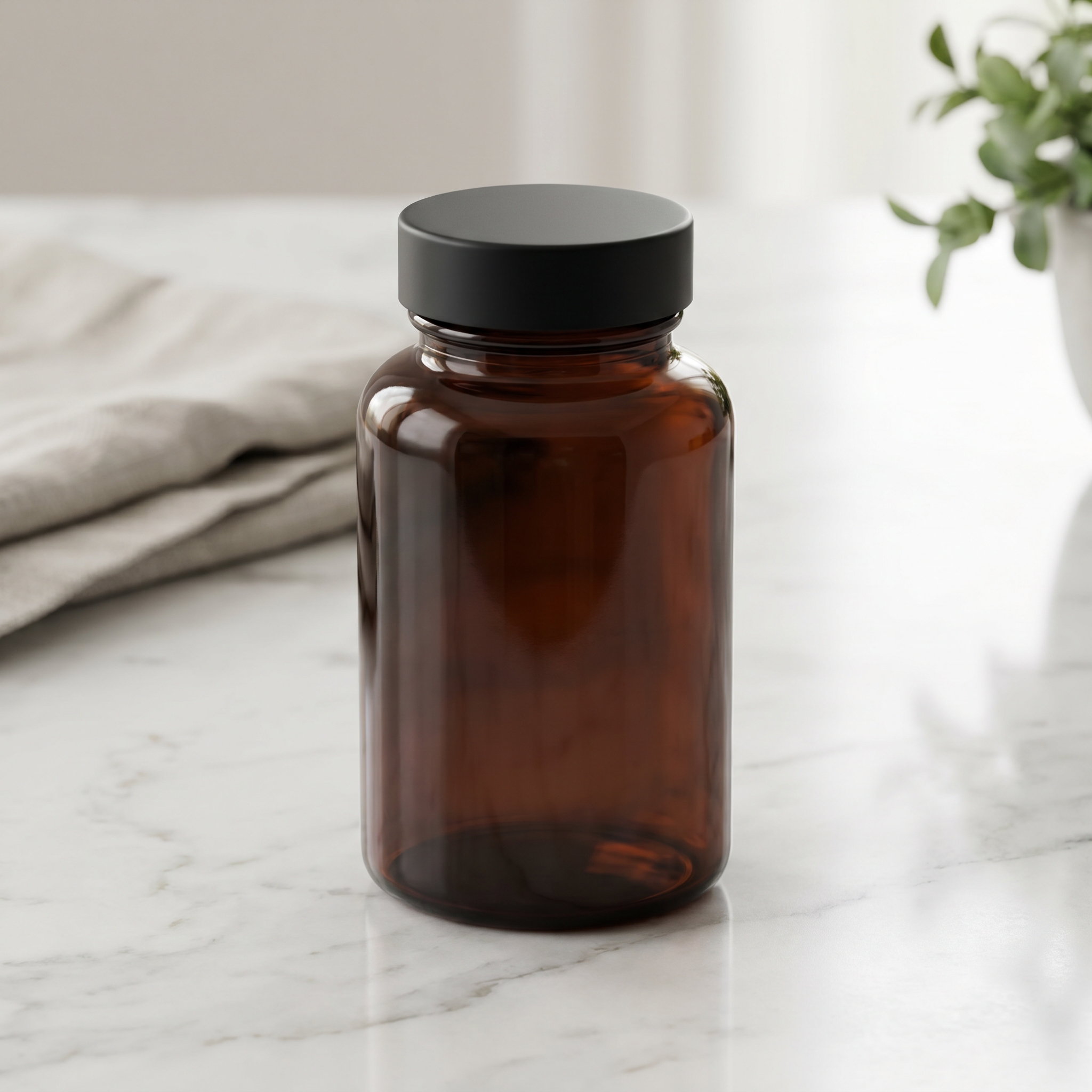
Formulated by a board-certified urologist using the exact doses from peer-reviewed clinical trials — not marketing-friendly micro-doses that look good on a label but do nothing in the body.
- Beta-sitosterol 600mg — the BJU International study dose
- Saw palmetto 320mg — Cochrane-reviewed, 90% liposterolic extract
- Pygeum africanum 100mg — the anti-inflammatory component most formulas skip
- Zinc 15mg — highest tissue concentration in prostate; chronically low in most Western diets
ProstaFlow was developed after its founding urologist spent years watching patients cycle through products that listed the right ingredients at doses he knew couldn't produce the outcomes suggested in the studies. The formula was built backward from the clinical literature — what dose did the trial use? Use that dose.
Breaking Down the Formula
The most clinically studied prostate phytosterol. Published in BJU International with significant improvements in urine flow and symptom scores. Most commercial products contain under 100mg. ProstaFlow uses the study dose — 600mg per serving.
The Cochrane-reviewed effective dose, using the 90% liposterolic extract — not the underdosed berry powder in most formulas. The liposterol content is what drives the 5-alpha reductase inhibition. Lower-grade extracts simply don't contain enough of it.
African plum bark extract. Reduces nighttime urination frequency through anti-inflammatory pathways distinct from saw palmetto — meaning it works on a different mechanism. Covered in a meta-analysis of 18 RCTs. Most formulas omit it entirely.
The prostate gland contains the highest zinc concentration of any tissue in the human body — up to 10 times more than other tissues. Modern diets are chronically low in zinc. Included at 15mg as foundational prostate nutrition support.
What Happens When You Actually Get the Right Doses
"I was getting up three times a night. Saw a urologist, he offered Flomax. I looked up the side effects — retrograde ejaculation isn't something I was willing to sign up for. A friend mentioned ProstaFlow. I figured I'd try it before going the prescription route. Six weeks later I'm down to once a night, sometimes none. At nine weeks I slept through for the first time in four years. My wife cried."
"My urologist showed me an ultrasound and said the prostate was 'slightly enlarged but not to the point of intervention.' I had an IPSS score of 14 — that's moderate symptoms. I didn't want to wait until it hit 20 before someone would help me. Started ProstaFlow on my own. Three months later my IPSS was 7. My doctor asked what I'd changed. I told him and he just said, 'keep doing it.'"
"I'm 49, which is younger than most guys dealing with this. My dad had prostate surgery at 55 so I'm not waiting around to see how things go. The urgency I was feeling — that 'have to go right now' feeling — is basically gone. Stream is stronger too. I'm taking this proactively and plan to stay on it indefinitely."
A Realistic Timeline
Urgency Reducing
The anti-inflammatory effects of pygeum tend to produce the earliest noticeable changes. The sudden, pressing urgency begins to soften — you have more time between the signal and the need to act.
Fewer Nighttime Interruptions
The combination of reduced urgency and the beginning of 5-alpha reductase modulation starts affecting nighttime bathroom frequency. Most men report going from 3 nightly trips to 1-2 during this window.
Stream Noticeably Stronger
As prostate inflammation decreases and the DHT-driven proliferation slows, urine flow rate typically improves. Men who were used to standing and waiting report a measurable difference in force and duration.
Consistent Sleep Through the Night
The outcome most men are chasing — and the one the BJU study measured. By the 12-week mark, the majority of men on clinical doses report significant improvement in IPSS scores and nighttime urination frequency.
ProstaFlow® vs. The Alternatives
| Feature | ProstaFlow® | Super Beta Prostate | Flomax (Rx) | Generic Saw Palmetto |
|---|---|---|---|---|
| Clinical ingredient doses | ✓ All 3 at trial doses | ✗ Underdosed | Prescription only | ✗ 80–160mg typical |
| No Rx required | ✓ | ✓ | ✗ Prescription | ✓ |
| No sexual side effects | ✓ | ✓ | ✗ Retrograde ejaculation risk | ✓ |
| Beta-sitosterol amount | 600mg | ~210mg | N/A | None |
| Full 3-ingredient stack | ✓ | ✗ | N/A | ✗ |
| Peer-reviewed dosing | ✓ | ✗ | ✓ | ✗ |
| Verdict | Clinically dosed, OTC | Popular but underdosed | Effective, Rx + side effects | Incomplete formula |
Reader offer: Buy 3, get 1 free — expires May 31. Free shipping on all multi-bottle orders.
Free shipping on multi-bottle orders. Buy 3 Get 1 Free offer expires May 31.
60-Day Money-Back Guarantee
ProstaFlow® backs every order with a full 60-day money-back guarantee. If you're not sleeping better, not seeing improvement in urinary symptoms, and don't feel the formula is working — contact support for a complete refund. No return required. Two months gives you more than enough time to reach the clinical timeframes where results become measurable.
Start Sleeping Through the Night Again
11,400+ men have switched to clinically dosed prostate support. The 3-bottle offer includes a free fourth bottle and ships free — but only through May 31.
Claim My ProstaFlow® Offer — $11960-day money-back guarantee · Free shipping · Buy 3 Get 1 Free